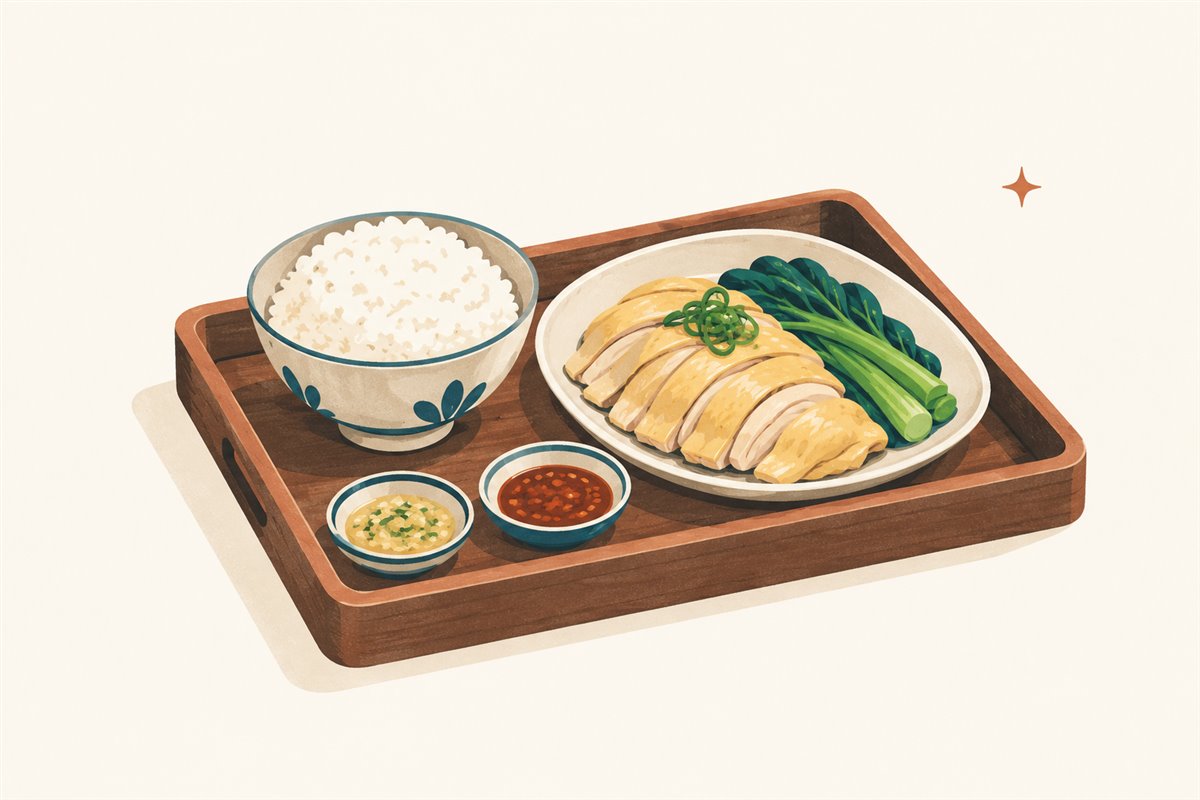
The first step in learning how to adapt international recipes for picky eaters and dietary needs is to stop treating every request as the same problem. Someone who dislikes chile heat needs a different plan from someone with a sesame allergy. A person with celiac disease needs more than a wheat-free noodle swap. A child who wants foods kept separate may need choice and familiarity, not a hidden ingredient.
This guide uses two lanes. Preference adaptations adjust flavor, heat, texture, or assembly without pressure. Safety adaptations follow the eater’s established allergy, celiac, or clinician-directed requirements, including labels and cross-contact controls. If those requirements are unclear, pause and ask the eater, caregiver, clinician, or registered dietitian rather than improvising.
- Difficulty: Beginner to intermediate
- Planning time: About 15–30 minutes before cooking, plus the source recipe’s time
- Result: One clearly labeled adaptation plan with fewer surprises at the table
- Evidence status: Editorial guidance; no adapted dish is represented as kitchen-tested or medically approved by Not Hard to Cook
What you need before you adapt a recipe
- One complete source recipe with measured ingredients and a tested method
- The eater’s exact preference or written safety requirements, in their own words
- Original packages for every sauce, broth, spice blend, noodle, garnish, and substitute
- Clean tools and separate serving utensils when the safety plan requires them
- A way to mark the adapted portion and prevent mix-ups
- A willingness to choose a different tested recipe when the proposed changes alter the dish’s structure
Do not begin by searching for a universal substitute list. First identify the ingredient’s job, the person’s reason for avoiding it, and the level of cross-contact control they require.
Quick overview
| Step | Question | Output |
|---|---|---|
| 1 | Is this a preference or a medical/safety requirement? | Correct adaptation lane |
| 2 | What is non-negotiable? | Written ingredient and handling rules |
| 3 | What makes the dish work and what identifies it? | Structure-and-identity map |
| 4 | Can components be offered without pressure? | Shared serving plan |
| 5 | What job does each changed ingredient perform? | Substitute plus expected outcome |
| 6 | How will cross-contact be prevented? | Prep, storage, and serving controls |
Step 1: Separate preferences from medical requirements
Ask one direct question: Is this a dislike or sensory preference, a chosen dietary practice, or a diagnosed health requirement? Do not make the eater defend the answer. You need enough information to choose a safe process, not permission to challenge the boundary.
Preference requests can include less heat, a sauce on the side, a smooth rather than chunky texture, or foods not touching. Religious and ethical practices are also non-negotiable for the meal, but the eater should define what compliance means for ingredients and preparation.
Food allergy, celiac disease, and clinician-directed restrictions belong in the safety lane. “A little” is not an acceptable improvisation when the person’s plan requires avoidance. A preference-friendly shared platter also does not prevent allergen or gluten cross-contact on its own.
Ordinary selective eating should not be diagnosed from the dinner table. The National Institute of Mental Health advises seeking health care support when restriction becomes severe or progressively narrower, contributes to weight loss or nutritional problems, involves fear of choking or vomiting, or substantially disrupts daily life. This cooking guide is not treatment for avoidant/restrictive food intake disorder (ARFID) or another feeding or eating disorder.
Tip: Write the request at the top of the recipe: “mild sauce, components separate” is different from “no sesame; follow household cross-contact plan.”
Warning: Never test whether a diagnosed allergen, gluten, or medically restricted food is “actually a problem” by serving it.
Step 2: Mark the non-negotiable ingredients and handling rules
For a preference adaptation, circle the ingredients that can move to the table: chile oil, chopped herbs, a strong pickle, sauce, or crunchy garnish. Then underline anything that is structurally tied to the cooking method, such as the liquid for rice, eggs in a set custard, or flour in a dough.
For a safety adaptation, use the eater’s established plan. The FDA identifies nine major US allergens: milk, egg, fish, Crustacean shellfish, tree nuts, peanuts, wheat, soybeans, and sesame. Other allergies and medical restrictions still matter even when they are not on that list.
Read the full package every time, including the ingredient list, Contains statement, storage directions, and any advisory wording relevant to the person’s plan. Recipes change. Broth, spice blends, sauces, noodles, meat alternatives, and garnishes can contain ingredients that their front labels do not make obvious.
The compact pantry guide offers a broader label-checking system for sauces, blends, and opened packages.
FDA says “may contain” and “produced in a facility” statements are voluntary. Their wording is not a risk ranking, and a missing statement is not a guarantee against cross-contact. If a package does not answer the person’s safety question, contact the manufacturer or choose a product already approved for that household.
Celiac disease needs its own check. Under the FDA gluten-free labeling rule, foods voluntarily labeled gluten-free must contain less than 20 parts per million of gluten and meet the rule’s ingredient conditions. That label does not automatically answer a separate wheat-allergy question; follow the person’s specific plan.
Success looks like: every prohibited ingredient and handling rule is written down before packages are opened.
Step 3: Identify what gives the dish its structure and identity
Make a quick recipe map before swapping ingredients:
| Role | Questions to ask | What can change |
|---|---|---|
| Core technique | Is the food steamed, stir-fried, braised, baked, fermented, or assembled? | Changing it may create a different dish |
| Structure | What binds, thickens, leavens, sets, or absorbs liquid? | A replacement must perform the same job |
| Main flavor | Which aromatics, seasoning, fat, or acid defines the balance? | Reducing one may require rebalancing others |
| Heat | Is chile cooked into the base or added at the finish? | A separate finish is easiest when the method permits |
| Texture | Are crisp, chewy, soft, slippery, or mixed textures central? | Separate components only when cooking still works |
| Identity | Is this a named dish with a documented method? | Substantial changes need an “adapted” or “inspired” label |
Not every international recipe can be deconstructed without changing it. A bowl, taco, wrap, or noodle topping may support separate service. A dumpling filling, baked custard, emulsified sauce, or long braise may depend on integration. When several structural ingredients must change, find a tested recipe designed for those requirements rather than rebuilding the original from guesses.
Respectful labeling is simple. Keep the original name when the adaptation remains within the recipe author’s stated options. Use “adapted from” or “inspired by” when technique or core ingredients change substantially. Do not imply that removing a defining ingredient produces the standard version of a regional dish.
Step 4: Serve adjustable components without pressure
For an ordinary preference, offer one shared meal with at least one familiar safe component. Put optional sauce, chile, herbs, pickles, or crunchy garnishes in separate bowls when that suits the dish. Start with small portions so rejecting a new food does not create a large waste penalty.
The American Academy of Pediatrics recommends including a food the child likes and avoiding pressure or punishment. CDC guidance supports repeated opportunities, modeling, and choices. Neither source promises that a person will accept a particular dish after a fixed number of tries.
Component service can look like:
- rice or another recipe-supported starch in one bowl;
- the cooked protein, tofu, bean, or egg component in another;
- vegetables separated by type or texture;
- sauce and stronger finishes at the table; and
- one small optional portion of the combined dish.
Do not hide a disliked ingredient and then reveal it as a lesson. Concealment is especially unsafe when anyone at the table manages an allergy or medical restriction. Transparency lets the eater make an informed choice and helps the cook learn whether flavor, appearance, texture, or mixture is the actual barrier.
For batch cooking, keep the adapted and standard portions unmistakably labeled. The modular meal-prep guide explains refrigerator, freezer, cooling, and reheating limits; those safety rules still apply to separated components.
Step 5: Substitute by function and explain the outcome
A useful substitution note says what the original ingredient did and what will change. “Use any milk” or “swap any flour” is not enough.
| Change | First identify | Likely outcome to manage |
|---|---|---|
| Reduce chile | Heat source versus flavor-bearing chile paste | Less heat may also mean less salt, acid, sweetness, or body |
| Replace dairy | Liquid, fat, protein, tang, or browning role | A plant beverage may be thinner, sweeter, or less stable; labels still matter |
| Replace egg | Binder, leavener, emulsifier, coating, or set custard | One substitute rarely performs every egg function |
| Replace wheat flour | Dough structure, coating, or thickener | Texture, hydration, browning, and cooking time may change |
| Replace soy sauce | Salt, umami, color, fermentation flavor, and liquid | A replacement changes more than soy exposure; verify every ingredient |
| Omit nuts or seeds | Garnish, paste, thickener, fat, or texture | The dish may lose body or crunch; do not add another major allergen casually |
| Change protein | Raw versus cooked state, fat, water, and thickness | Timing and safe endpoint may need a new recipe |
| Separate sauce | Whether the sauce cooks the main ingredient or finishes it | Marinades and braising liquids usually cannot just move to the table |
For food allergy or celiac disease, a culinary substitute is only a candidate. The actual package and the full preparation process must fit the person’s safety requirements. A coconut product can contain additives or cross-contact warnings. A gluten-free sauce can still contain soy. A vegan product can carry allergen advisory wording or include an allergen such as sesame.
For baking, dumplings, noodles, batters, or set desserts, use a tested recipe written for the required substitution. Multiple changes interact: removing egg, dairy, and wheat at once affects structure, moisture, browning, and timing. A from-scratch conversion is not automatically safer or more reliable than a vetted suitable recipe.
Tip: Change one preference variable at a time. If you reduce heat and alter texture simultaneously, you will not know which change made the meal more workable.
Warning: Do not call a dish allergy-safe solely because the obvious allergen was omitted. Packages, shared tools, surfaces, oils, condiments, and serving spoons also matter.
Step 6: Prevent allergen and gluten cross-contact
Cross-contact is the unintended transfer of an allergen or gluten into food intended to exclude it. It can happen through a cutting board, colander, toaster, oil, condiment jar, towel, hand, storage bin, or serving spoon.
Follow the eater’s household or clinical plan. Depending on the risk, that may require separately stored ingredients, dedicated equipment, a verified cleaning process, and preparing the restricted portion first. Do not invent a universal “safe order” when the person has been given different instructions.
The NIDDK celiac guide notes that gluten cross-contact can occur during processing, storage, preparation, or service and recommends separate handling where needed. FDA research on food-contact surfaces found that a full wash-rinse-sanitize-air-dry process limited allergen transfer more effectively than casual wiping in the studied retail conditions.
At service:
- give each dish its own clean utensil;
- keep labels with sauces and garnishes;
- prevent spoons from moving between standard and restricted dishes;
- avoid shared jars after a utensil has touched bread or another restricted food; and
- identify the restricted portion before it reaches the table.
If you cannot meet the person’s cross-contact requirements in the available kitchen, say so. A sealed product or meal prepared in a setting that meets their plan may be the safer option.
Troubleshooting common adaptation problems
The mild version tastes flat
Likely cause: Chile paste or a seasoning sauce supplied acid, salt, sweetness, or body as well as heat.
Fix: Compare labels and the source recipe, then rebalance only with compatible ingredients. Do not add a substitute that creates a new allergen problem.
The sauce, dough, or filling no longer holds together
Likely cause: A structural binder, thickener, or protein was treated as a flavor-only ingredient.
Fix: Stop adding random substitutes. Use a tested version designed for the required exclusion and expect texture or timing to differ.
You are unsure whether a package is safe
Likely cause: The ingredient list or voluntary advisory statement does not answer the person’s cross-contact question.
Fix: Do not guess. Contact the manufacturer or use a product the eater already considers suitable.
Meals are becoming more stressful or the accepted-food list is shrinking
Likely cause: The issue may extend beyond ordinary preference.
Fix: Remove pressure and discuss the pattern with a pediatrician, physician, registered dietitian, or qualified feeding/eating-disorder professional. Seek prompt care for an acute reaction or urgent health concern.
Frequently asked questions
Should I hide vegetables or another disliked food?
Not as the default. Adding a purée for flavor or texture can be transparent, but deception prevents informed choice and can be dangerous around allergens. Continue offering recognizable foods without pressure.
Does gluten-free mean safe for a wheat allergy?
Not automatically. FDA’s gluten-free rule addresses gluten content and specified grains; a wheat allergy is a different medical requirement. Follow the eater’s label and clinician guidance.
Does vegan mean free from milk or egg cross-contact?
It may answer the product’s ingredient or production claim, but it does not replace the full allergen label and the eater’s cross-contact requirements. Read the actual package every time.
Can I put all spice at the table?
Only when the recipe allows it. A finishing chile oil can stay separate; a spice toasted in fat or a paste used in a braise affects the cooked base. Use a tested mild version when removing it changes the method.
When should I ask for professional help?
Ask when a medical restriction is unclear or when eating becomes progressively narrower, affects weight, growth, nutrition, or daily life, or involves significant fear or distress. This guide cannot diagnose or treat those concerns.
Choose one exact recipe. Write the eater’s non-negotiable requirements at the top, identify the role of the ingredient you want to change, and alter one preference variable at a time. A respectful adaptation makes the tradeoff visible; a safe adaptation also controls labels, tools, storage, and service.